Common Plumbing Problems Tenants Face
The reality is that most renters will face a few plumbing issues over the years. Some of the most common problems in a rental home include leaking or dripping faucets, slow or clogged drains, and running toilets. When water is flowing continuously, even at a slow drip, it can drive up water usage and your utility bills.
For drains, hair, food, and soap buildup can all create problems that prevent your sink or tub from emptying properly. Blocked drains (and toilets) can also overflow, potentially causing water damage to floors, walls, carpeting, and other areas of the home. While these plumbing issues may start small, they can end up costing you and your landlord a lot if left unchecked.
Everyday Habits to Prevent Clogs
The good news is that there is a lot you can do to keep your plumbing, and especially your drains, functioning properly. For example, in the kitchen, avoid pouring grease or oil down the drain. These substances can cling to the inside of pipes and eventually form a blockage. Never put food scraps down a drain, either, as they can become trapped and cause clogs.
In the bathroom, clear hair and debris out of your drains regularly. You can also use a drain strainer to keep hair from going down the drain. After using the sink, be sure to flush away any particles with some hot water. This can do a lot to help keep your sinks and other plumbing functioning properly.
How to Spot Small Leaks Before They Become Big Problems
Another important thing you can do as a renter is to watch for signs of water leaks in your home. Key areas to check include under-sink cabinets, around the bottoms of tubs and showers, and the walls behind these areas. If the cabinets, walls, or floors are damp or have water stains, notify your landlord immediately.
Another easy way to spot leaks is to listen for sounds of running water when the faucets are turned off. If you hear drips or sounds of water running when it shouldn’t be, that’s another red flag. Finally, keep a close eye on your water bill. If you see any higher-than-usual charges, it could be a sign that your plumbing is leaking somewhere, with water running continuously, which could be driving your usage up. Don’t wait until the problem gets worse. Early reporting is one of the best ways to stop a minor issue from turning into a plumbing disaster.
What Tenants Can Safely Do (and When to Call for Help)
Not all plumbing issue require professional help. In fact, there are some minor fixes that you can handle on your own. Things like plunging a clogged toilet, removing hair from a drain stopper, or tightening a loose showerhead. However, it’s important to recognize your limits.
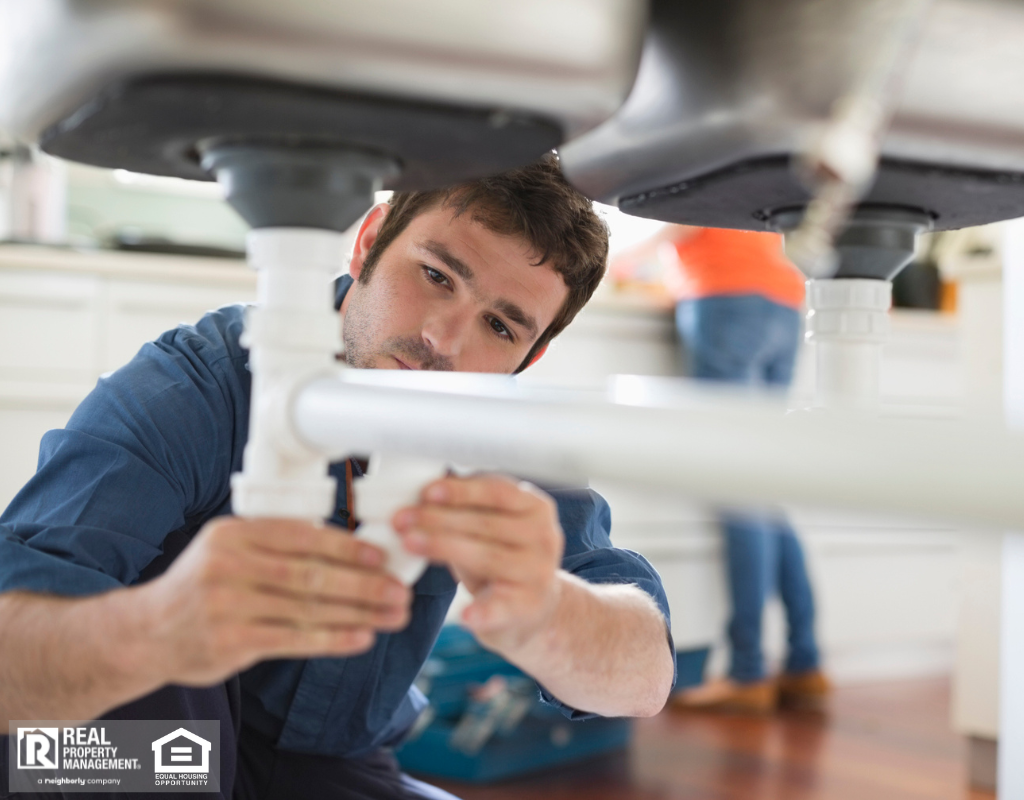
Disassembling pipes under the sink or tampering with the water heater can often cause more harm than good. A helpful rule of thumb? If it’s more than a simple, common-sense fix, it’s best to report it to your landlord.
Keep Your Rental Home Running Smoothly
No one expects a tenant to be a plumber, but plumbing upkeep really is a shared responsibility. While you can do your part through practicing good care of your plumbing and drains, landlords and property owners should be ready and willing to handle the bigger repairs and maintenance your plumbing system needs.
By reporting issues promptly, renters can help prevent plumbing disasters and contribute to a better, more comfortable living experience in your rental home.
From market analysis to regular maintenance, Real Property Management Majestic helps investors throughout Decatur increase cash flow and strengthen portfolio performance. When you’re ready, reach out to us online or call us at 470-563-1001 for a consultation.